.jpg)
“Jerry, please train my team. I’m very busy.”
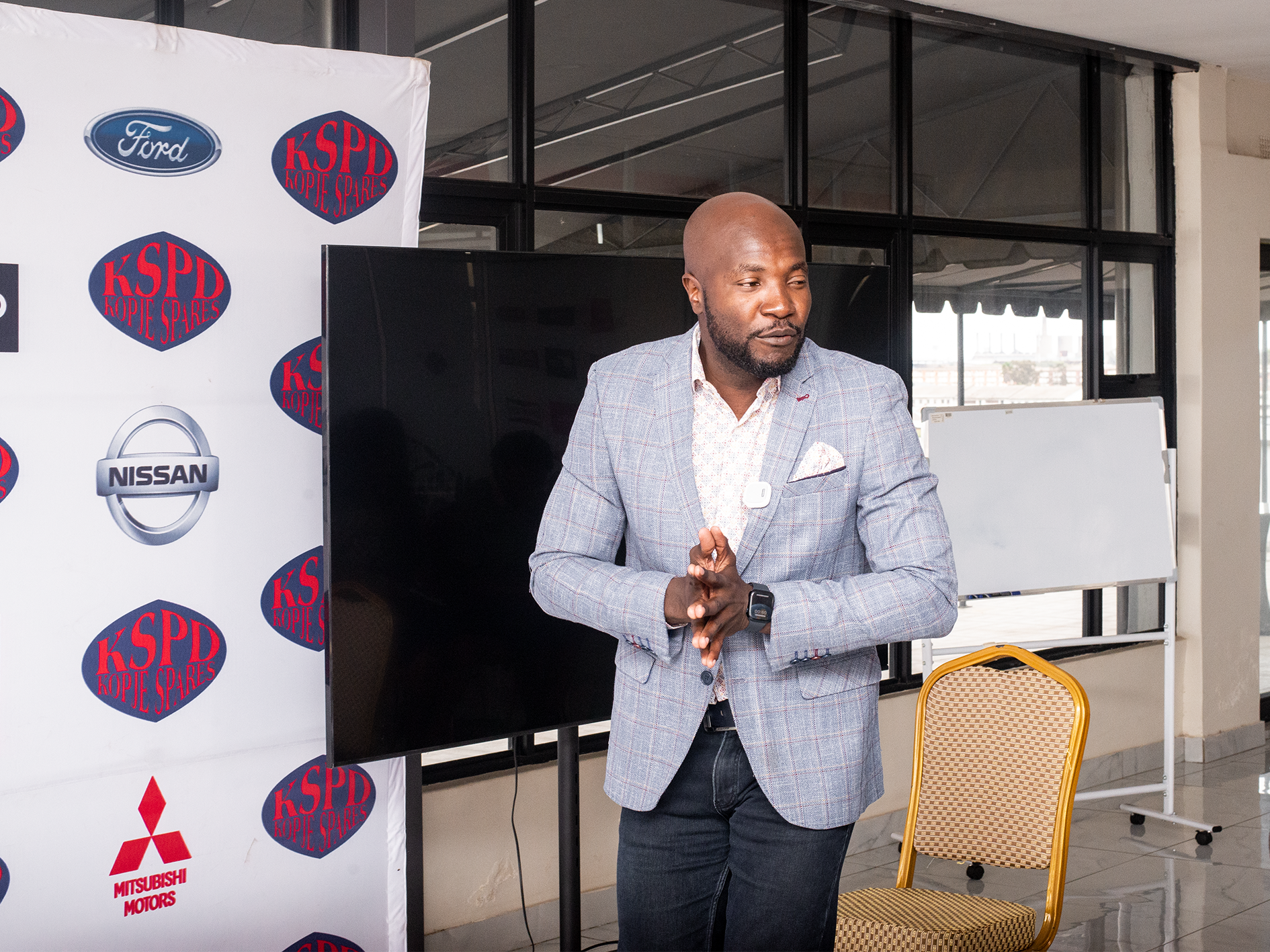
Over the years, I have heard those words many times while conducting Sales, Customer Service, and Entrepreneurship trainings across Zimbabwe and Zambia. Unfortunately, I have also noticed something very interesting:
The most successful trainings are almost always the ones where the owner, CEO, or senior management is present and actively participating.
Last year, I conducted Customer Service training for a company with more than 1,000 employees. What surprised me the most was not the size of the company, but the humility and involvement of the owner. In almost every training session, the owner would attend personally, contribute ideas, challenge employees, reinforce standards, and sometimes even participate more than the employees themselves.
That experience taught me something powerful: culture cannot be delegated.
Today, that company is offering some of the best customer service in Zimbabwe. Their sales reportedly increased by more than 30%, and they are now leading in their sector. The training worked not simply because information was shared, but because leadership showed commitment to the transformation process.
Leadership presence changes everything.
When employees see management sacrificing time to learn with them, they begin to understand that the training is not just another “event” or “workshop.” It becomes a serious organizational priority. Employees pay attention differently. Discussions become deeper. Accountability increases. The entire atmosphere changes.
Now let me tell you the funny side of the story. Recently, I conducted another training where senior management was completely absent.
The training was scheduled to start at 0800hrs. We only started at 1000hrs.
When we finally began, in less than thirty minutes someone interrupted: “Trainer, we need to go for breakfast.”
I adjusted.
Then, at exactly 1400hrs, another announcement came: “You must stop now because the team wants to go for lunch.”
Not because the session objectives had been achieved. Not because the training was complete. Not because transformation had happened.
No.
Because lunch was waiting.
At that moment, I realized again that many companies do not fail because employees are incapable. They fail because leadership is absent from the transformation process.
Many executives make a serious mistake. They believe training is for junior employees only. They feel too senior, too busy, or too important to sit in the room with their teams. Yet the very companies producing exceptional customer service, strong sales cultures, disciplined execution, and high-performance teams are led by executives who are actively involved in learning and development.
Training is not simply about transferring information. It is about changing behavior, culture, attitudes, and standards. That process becomes difficult when leadership is invisible.
When management is absent: Employees relax. Energy drops. People become casual. Training turns into a social gathering instead of a strategic investment.
However, when leadership participates, employees receive a powerful message: “This matters.” “We are serious.” “We are growing together.” “Transformation starts with us.”
As entrepreneurs and business leaders, we must stop believing that company culture can be outsourced. Consultants and trainers can guide, challenge, and equip teams, but management must drive the transformation internally.
The companies that are growing rapidly are not necessarily the ones attending the most seminars. They are the ones where leadership shows up consistently and participates fully in the growth process.
Sometimes your employees do not need another motivational speech.
Sometimes they simply need management that shows up.
By The Chartered Vendor